
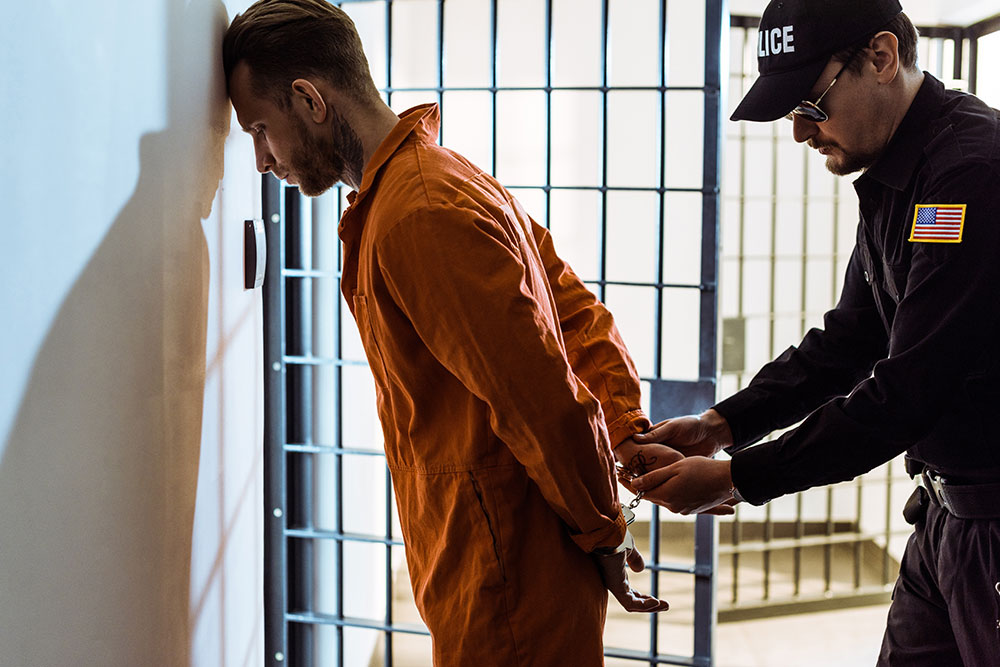
Searching for someone after an arrest can feel stressful and confusing. Many people often ask us: Why can’t I find an inmate online even though an arrest took place? We understand how unsettling that moment can feel, especially when time matters, and clear answers seem hard to find. Online jail records help people stay informed, but those records do not always update right away. Several normal steps happen after an arrest, and each step can affect what appears online. The system does work, but it works on a timeline that many people do not expect.
Why Arrest Records Do Not Appear Right Away
After an arrest, officers must complete booking before any public record shows online. Booking includes identity checks, fingerprints, photos, health screening, and paperwork review. Each of these tasks takes time and must happen in order. Until booking reaches a certain point, online systems do not display the inmate’s name. We often explain that delays do not mean mistakes or hidden actions. Staff members focus first on safety, accuracy, and legal steps. Online visibility comes later in the process. During busy periods, booking can take longer than expected, especially on nights, weekends, or holidays. Staff may also need to confirm arrest details with another agency before finishing intake. Fingerprint results sometimes return slower than expected, which can pause record posting. Supervisory review may also delay public display until all information is verified.
How Transfers Between Facilities Affect Online Searches
An arrest does not always mean someone stays in the same place. Local jails may hold a person only for a short time before moving them to another location. During that transfer window, online records may show nothing at all. We see this often when city jails hold someone briefly and then send them to a county facility. The record may appear only after the transfer finishes and intake is completed at the next location. That gap can last several hours or longer, depending on staffing and transport schedules. Security checks during transport can extend processing time. Intake teams at the receiving facility may handle several arrivals at once. Until that intake finishes fully, public systems often remain blank.
Name Spelling and Identification Issues
Online inmate searches depend on exact data entry. If a name enters the system with a different spelling, a missing middle name, or a legal name variation, searches may fail. This issue happens more often than people expect. We advise checking alternate spellings or legal names if available. A small difference in how a name appears can block search results. Until staff review and correct details, the record may remain hard to locate online. Aliases or hyphenated names can also affect results. Some systems record names exactly as shown on identification documents. Updates may take time to sync across connected databases.
Holds and Special Processing Situations
Some arrests involve extra steps that delay public display. These may include outstanding warrants, parole checks, or medical clearance needs. During these reviews, the system may limit public access to inmate details. We want readers to know that privacy rules and safety reviews guide these choices. The delay does not signal wrongdoing or special treatment. It reflects a structured process designed to handle legal and health factors correctly. Court orders may also pause posting while staff confirm instructions. Medical evaluations can slow intake if outside care is required. Coordination with other agencies may also add time.
Technical Updates and System Maintenance
Online inmate systems rely on software that needs updates and maintenance. During those times, records may not refresh as expected. Even short maintenance windows can affect search results for several hours. We monitor these issues closely and receive questions whenever updates occur. If a record does not appear during known system work, patience often resolves the issue once updates finish and data refreshes. Data syncing may lag even after maintenance ends. High system usage can slow refresh cycles. Once syncing completes, records usually appear without manual action.
Why Timing Matters More Than Most People Think
Many people search within minutes or hours after an arrest. At that early stage, online tools rarely show results. We explain that waiting a bit longer often changes the outcome. The process moves step by step, and each step must finish before the next one starts. Once booking completes and staff review entries, the system updates, and the inmate usually appears online without further action. Records often update in batches rather than one at a time. Shift changes can speed up processing later in the day. Checking again after several hours often brings clearer results.
When Release Happens Before Records Post
In some cases, a person posts bail or gains release before their record ever appears online. Short stays can end before the system finishes updates. That result surprises many families who expect to see a record regardless of stay length. We see this happen with minor charges or quick bail arrangements. If release occurs fast, the system may never show the inmate publicly, even though the arrest was real.
How We Help People Find Accurate Information
We take calls from people who feel stuck and unsure about next steps. We explain how timing, transfers, and processing affect online results. We also guide people on when waiting makes sense and when direct contact helps. We share this information as part of our role within San Diego County Jails, where multiple facilities handle intake, temporary holding, and longer stays. Each location follows a structured process that affects when records appear online.
What To Do If You Still Cannot Find the Inmate
If time passes and searches still show nothing, reaching out directly can help. Speaking with staff allows you to confirm status without relying only on online tools. We encourage calm and clear communication during these moments.
We know that uncertainty causes stress, especially when someone you care about enters custody. Understanding why delays happen can ease that stress and help you plan next steps. Online tools work best when used with realistic timing expectations. If you need straightforward answers or direct guidance, we welcome you to get in touch with us. A conversation can often resolve concerns faster than repeated online searches.